


Have you ever hit a “wall” during exercise? Is your body running out of steam despite a strong desire to progress? Maybe it is time to adjust your habits by managing a better relationship between your mind, body, and the desire to push yourself with proper warm-ups and stretches.
Warm up gently
 For passionate sportsmen, professionals, or physically active people, the goal is the same: performing and having fun. To develop one’s physical capacity and endurance, preparation before, during, and after exercise is required. We also know that it is necessary to implement a good and balanced lifestyle (have proper sleep and eat better) to promote the right to have a better balance and metabolism of components such as fats, proteins, and carbohydrates as well as antioxidant protection. Supporting your body’s essential functions with the Activa Human Structure range will help prepare your body and improve performance over the long term.
However, this preparatory phase is not enough, it is important to focus on warming up. The reason? A well-stretched muscle contracts better. In addition to gently immersing yourself in the practice of the activity, warming up helps to:
- Improve the body’s performance and working capacity, anticipating the supply of extra oxygen.
- Reduce the risk of injury and muscle deformities due to poor positions.
- Reduce psychological risks, as it promotes concentration and attention.
- Relax!
How do you warm up?
Whatever the sport, a warm-up should be gradual and adapted to your age and fitness level. The more intense the level of practice, the longer the specific warm-up should be:
 For an endurance session called “aerobic” running: follow a short (5 to 10 min), but progressive and weightless warm-up to prepare your muscle mass for the type of effort. Preferably divided into two: a warm-up for the upper body (5 min of arms rotations, accelerating and decelerating the rhythm of the movement), and one for the legs (5 min of running on the spot and small jumps).
- For “anaerobic” sports such as cycling: so-called “activo-dynamic” stretches are recommended, which prepare muscles, tendons, and joints not to lower the “peak force” during exercise. The ideal would be to warm the body up with some rotations, strides on the spot, some jumps (seal jacks and jumping jacks), knees-chest (followed by stretching of the quadriceps and thighs), and some pumps and abdominals.
 The term “activo-dynamics” illustrates an isometric (static) contraction of a few seconds, followed by a “dynamic” phase. For professional athletes, “activo-dynamic” stretches are good when aches and pains are not yet too present.
Before any activity, remember to exhale while stretching the muscles that will be in use.
Stay 15 to 20 seconds in the stretch while continuing to breathe.
Discover more about Activa Human Structure Range here
We’ve selected a range of supplements:
- Made of 100% natural active ingredients
- Completely bioavailable and biocompatible

-
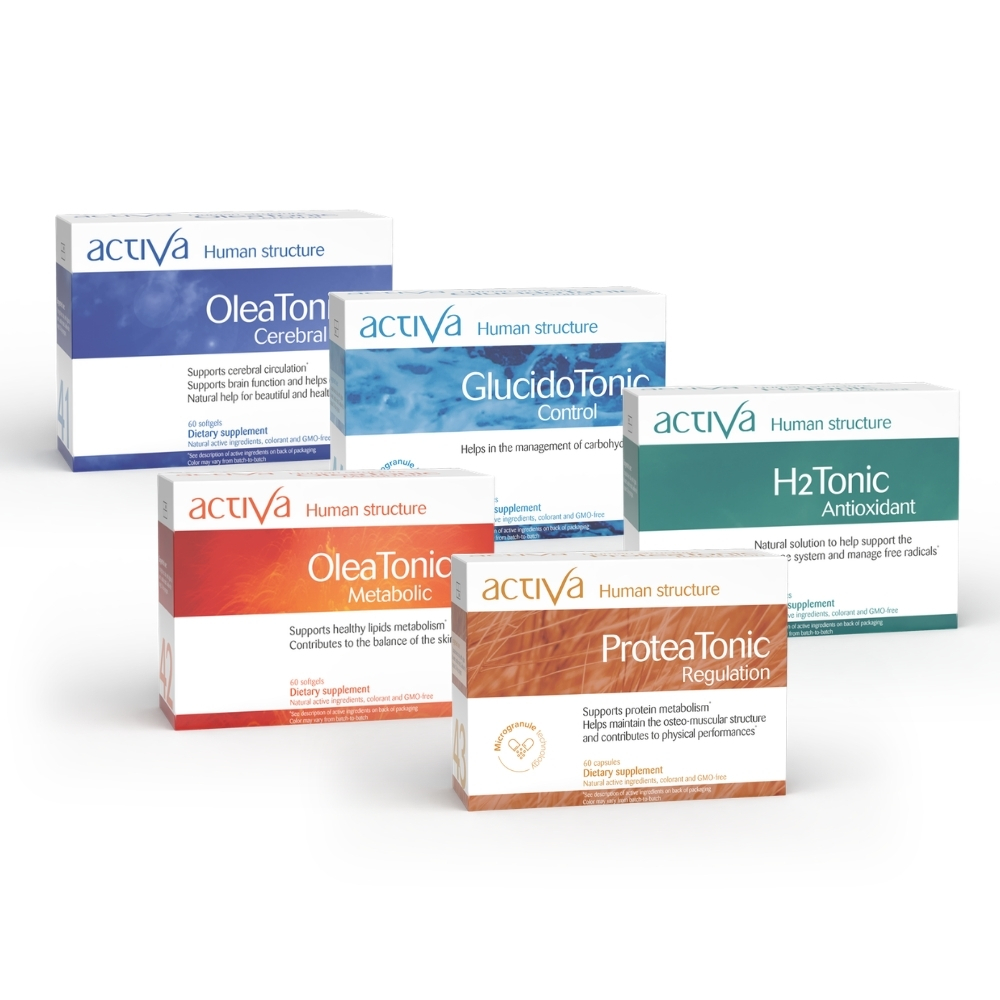
Muscle Protocol – Activa
Original price was: $225.50.$195.50Current price is: $195.50. -
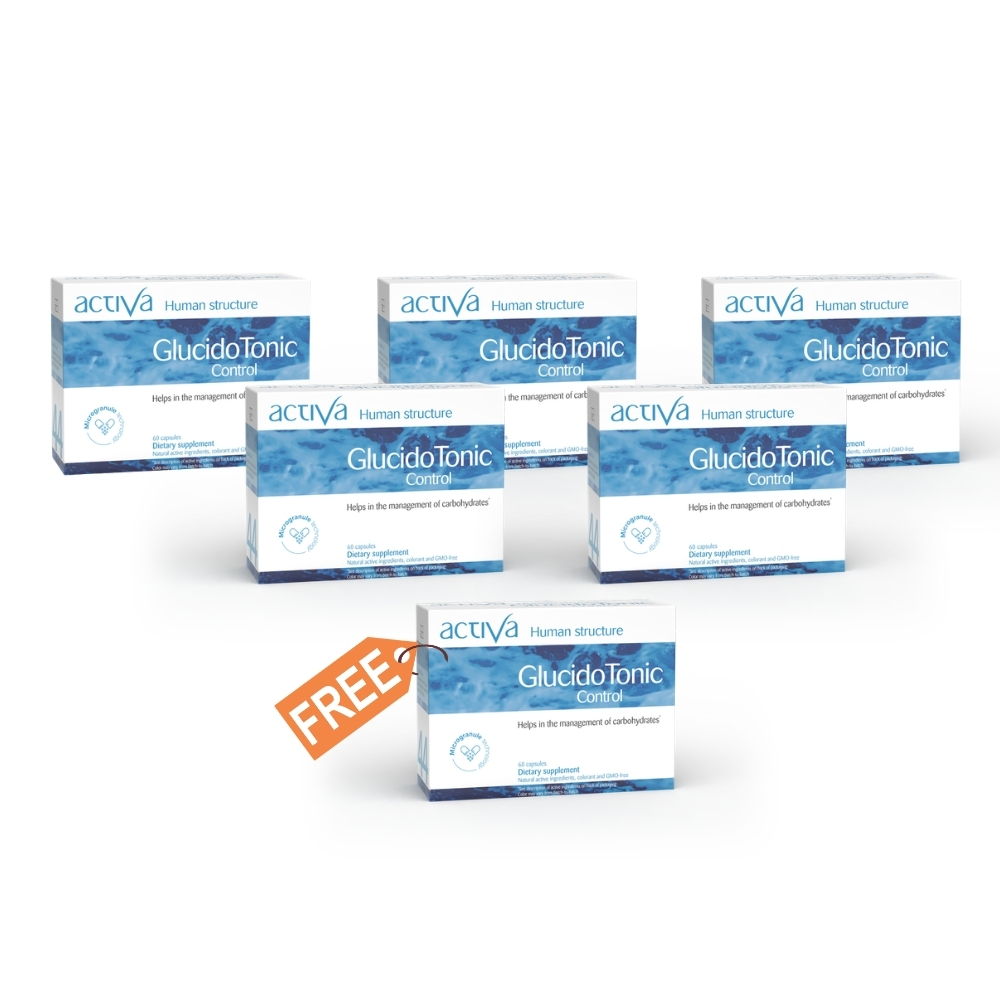
Human Structure Glucidotonic Control - Pack of 5 + 1 Free
Original price was: $267.00.$222.50Current price is: $222.50. -
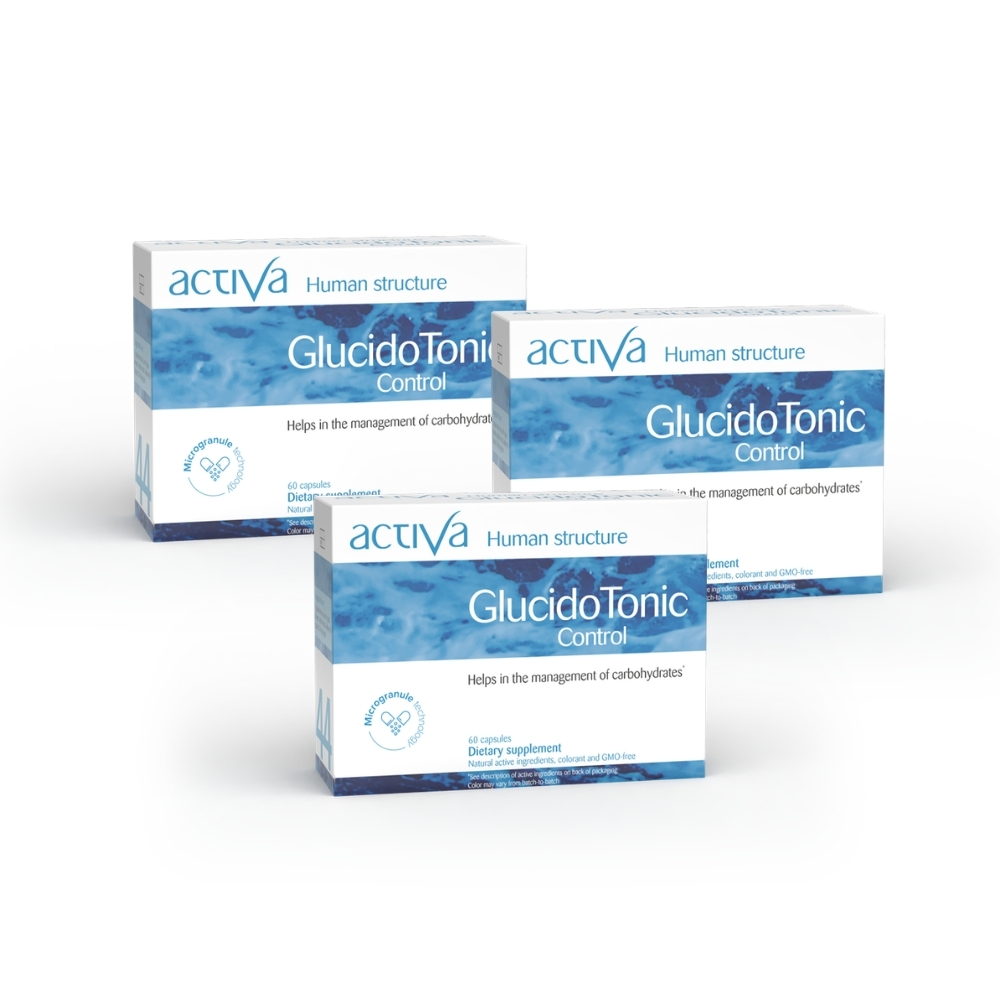
Human Structure Glucidotonic Control - Pack of 3
Original price was: $133.50.$117.50Current price is: $117.50. -
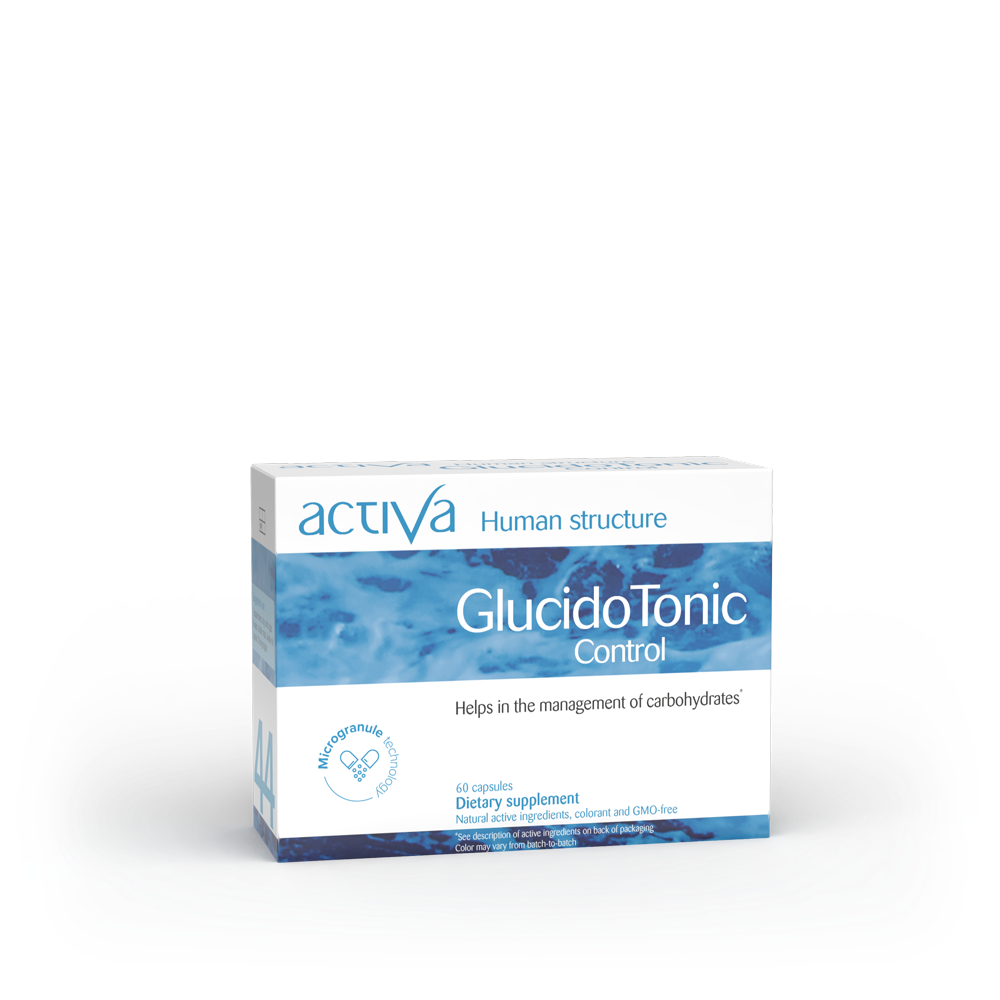
Human Structure Glucidotonic Control
$44.50 -
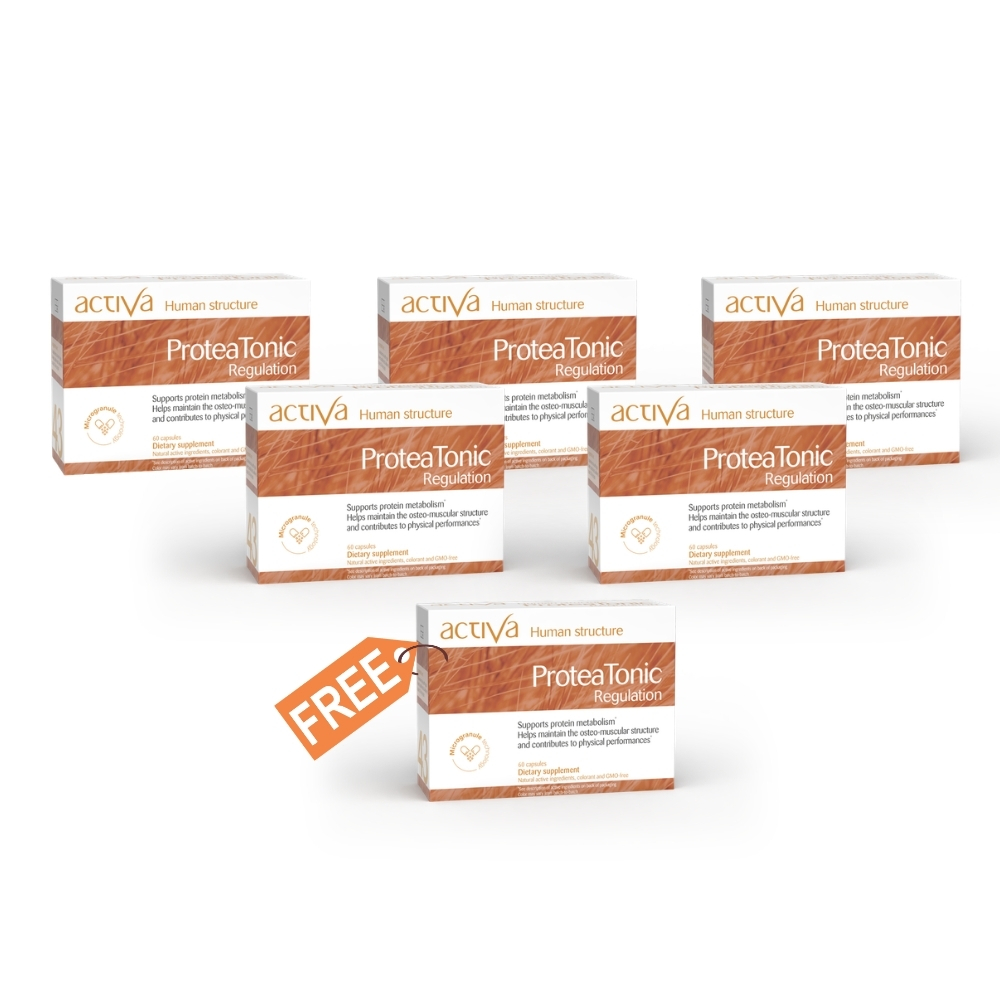
Human Structure Proteatonic Regulation - Pack of 5 + 1 Free
Original price was: $267.00.$222.50Current price is: $222.50. -
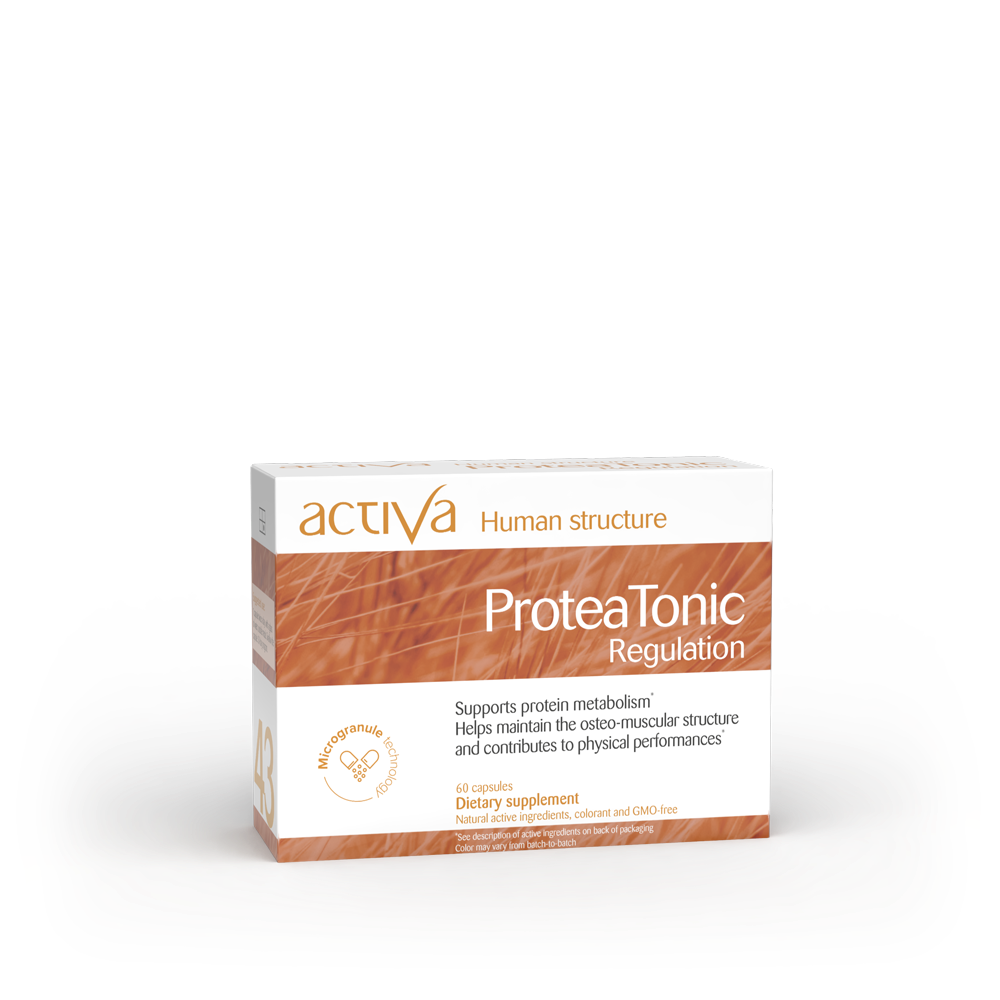
Human Structure Proteatonic Regulation
$44.50 -
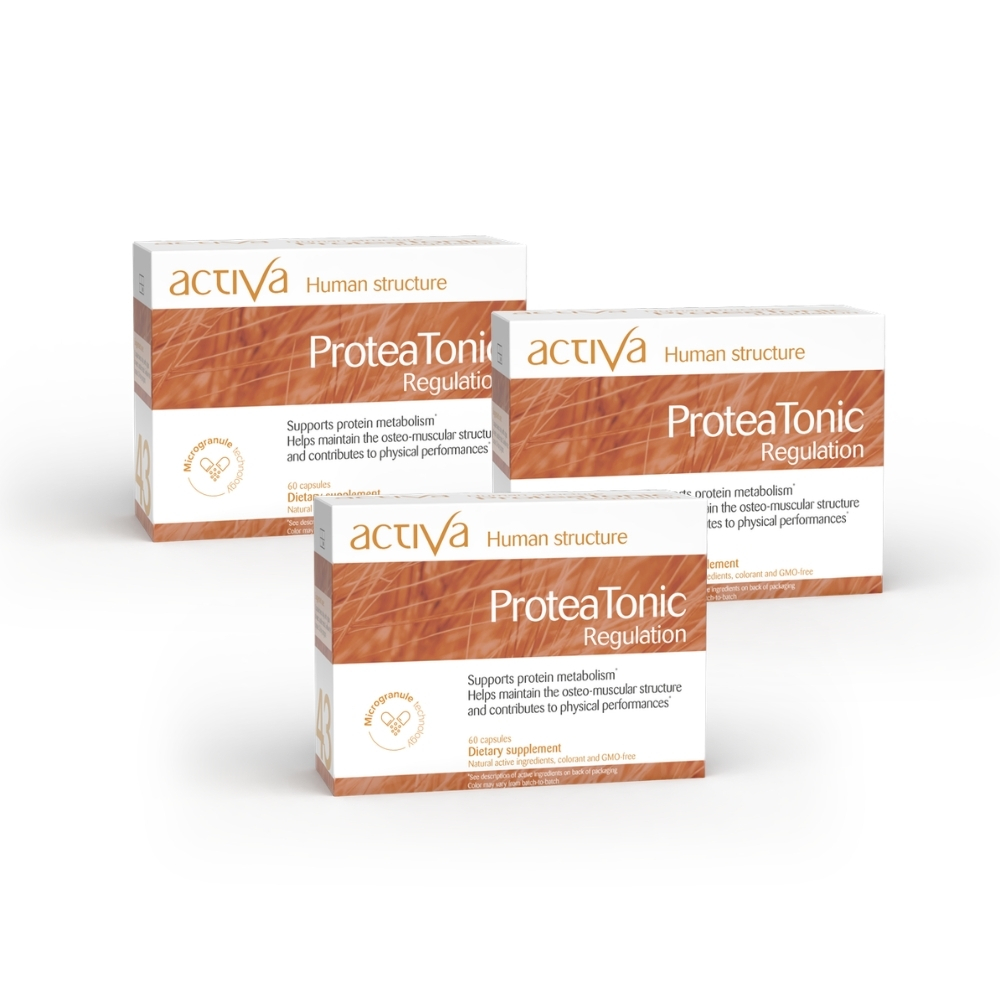
Human Structure Proteatonic Regulation - Pack of 3
Original price was: $133.50.$117.50Current price is: $117.50. -
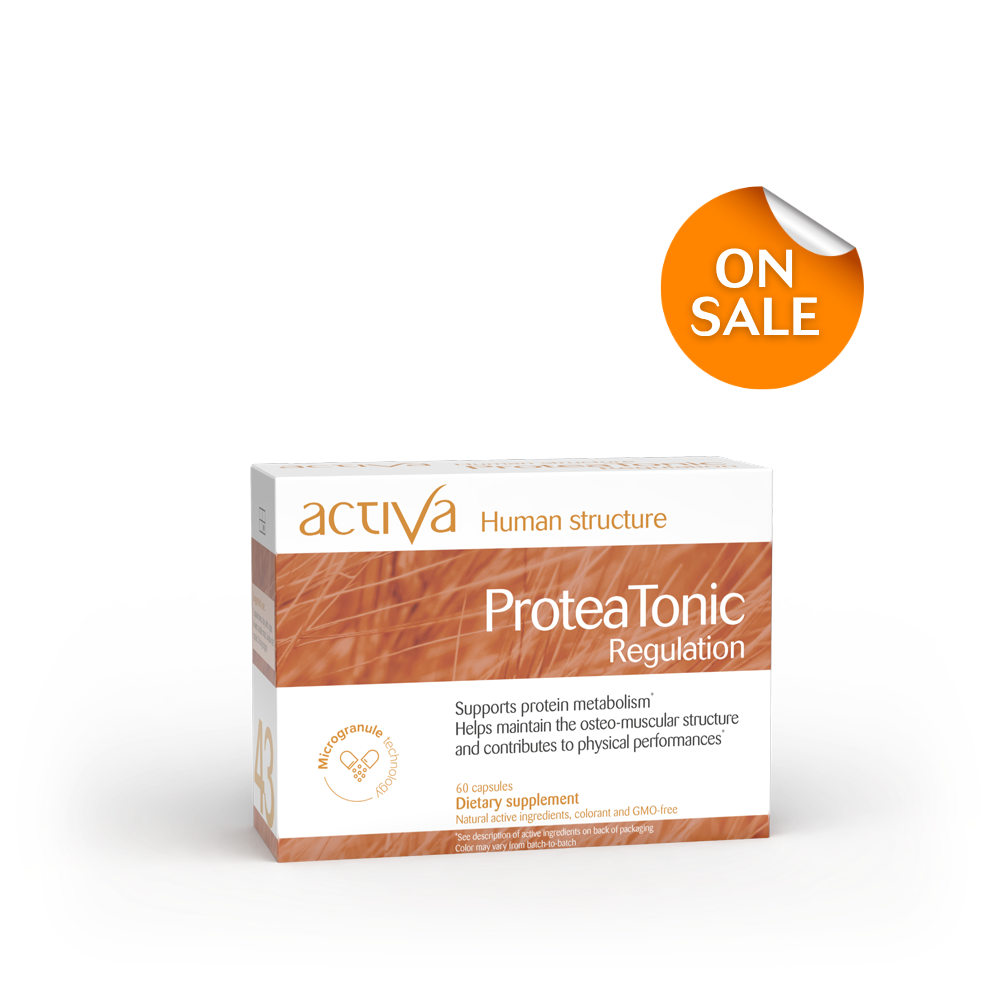
HS Proteatonic - Short Expiry (12 2027)
Original price was: $44.50.$31.15Current price is: $31.15.
Images Source: Canva