


In sports, success is often attributed to talent, training, and dedication. Yet, there’s a silent contributor to peak performance that often goes unnoticed: good sleep. Behind every remarkable athletic feat lies a foundation of quality rest.
During sleep, the body undergoes crucial processes that are essential for physical and mental well-being. This includes muscle repair and growth, hormone regulation, memory consolidation, and immune system bolstering. For athletes, these benefits translate into improved strength, speed, agility, and decision-making on the field or court.
Impact on Performance
The significance of good sleep in sport practice cannot be overstated. Lack of sleep negatively affects our thoughts and emotions, and chronic sleep loss can increase the risk of physical and mental health issues in the long run, thus affecting various aspects of performance in sport practice.
Reaction time slows, coordination diminishes, and endurance wanes. Moreover, sleep deprivation impairs cognitive function, leading to decreased focus, decision-making errors, and increased risk of injury. Whether it’s sprinting down the track or strategising on the field, every aspect is compromised without sufficient sleep quality.

Prioritising Good Sleep for Enhanced Performance
World’s best athletes such as Olympic swimming medallist Joseph Schooling and Tennis star Johanna Konta acknowledge the importance of getting the right amount of good sleep, and have noted its importance for recovery. Given the critical role of sleep in their athletic success, optimising good sleep should be a top priority for sport practice. We’ve given you before tips for better sleep, however, here’s a few more strategies tailored for anyone engaging in sports: 
- Prioritise consistency: Establish a consistent sleep schedule that aligns with your training and competition demands. Aim for 7-9 hours of uninterrupted sleep each night to support optimal recovery and performance.
- Create an ideal sleep environment: Ensure your sleep environment is conducive to relaxation and restorative sleep. Invest in a comfortable mattress and pillows to support recovery.
- Implement wind-down techniques: Develop pre-sleep techniques tailored to your athletic needs, such as foam rolling, gentle stretching, or visualisation exercises to signal to your body that it’s time to unwind and prepare for restorative sleep.

- Manage training load and timing: Structure your training schedule to optimise good sleep and recovery. Avoid high-intensity workouts close to bedtime, as they can elevate cortisol levels and disrupt sleep patterns.
- Fuel your sleep with proper nutrition and hydration: Pay attention to your dietary choices and stay hydrated throughout the day. Incorporating teas of plants that promote good sleep into your evening routine can provide relaxation benefits.
- Take health supplements: Health supplements, especially with melatonin, can fill in nutritional gaps, support recovery processes, and optimise physiological functions, ultimately enhancing overall performance and reducing the risk of deficiencies that may impact sleep quality and athletic outcomes.
By implementing specific strategies to optimise good sleep, you can unlock your full potential and achieve unparalleled success on and off the field. So, as you embark on your journey towards athletic greatness, remember: true champions don’t just dream of victory—they sleep for it.
Discover Activa products that promote good sleep
We’ve selected a range of supplements:
- Made of 100% natural active ingredients
- Completely bioavailable and biocompatible

-
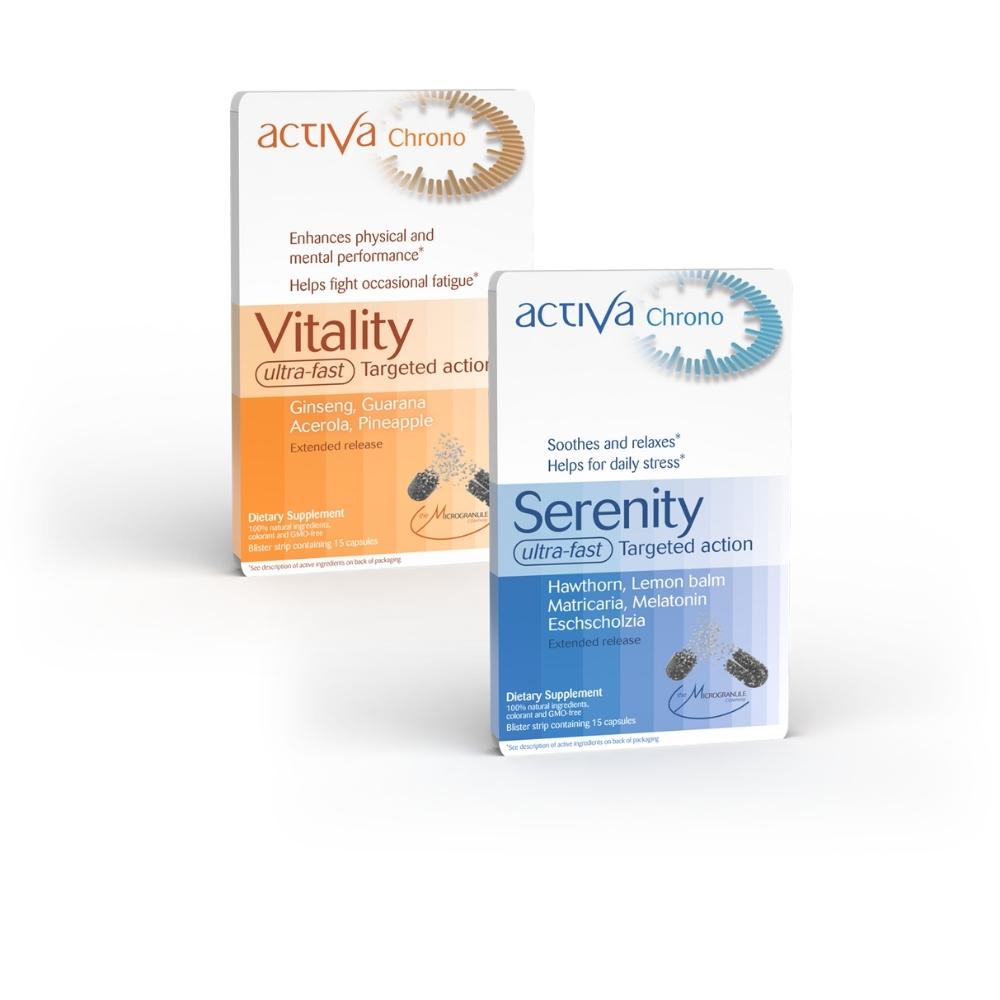
Serenity Pack – Activa
Original price was: $47.80.$40.00Current price is: $40.00. -
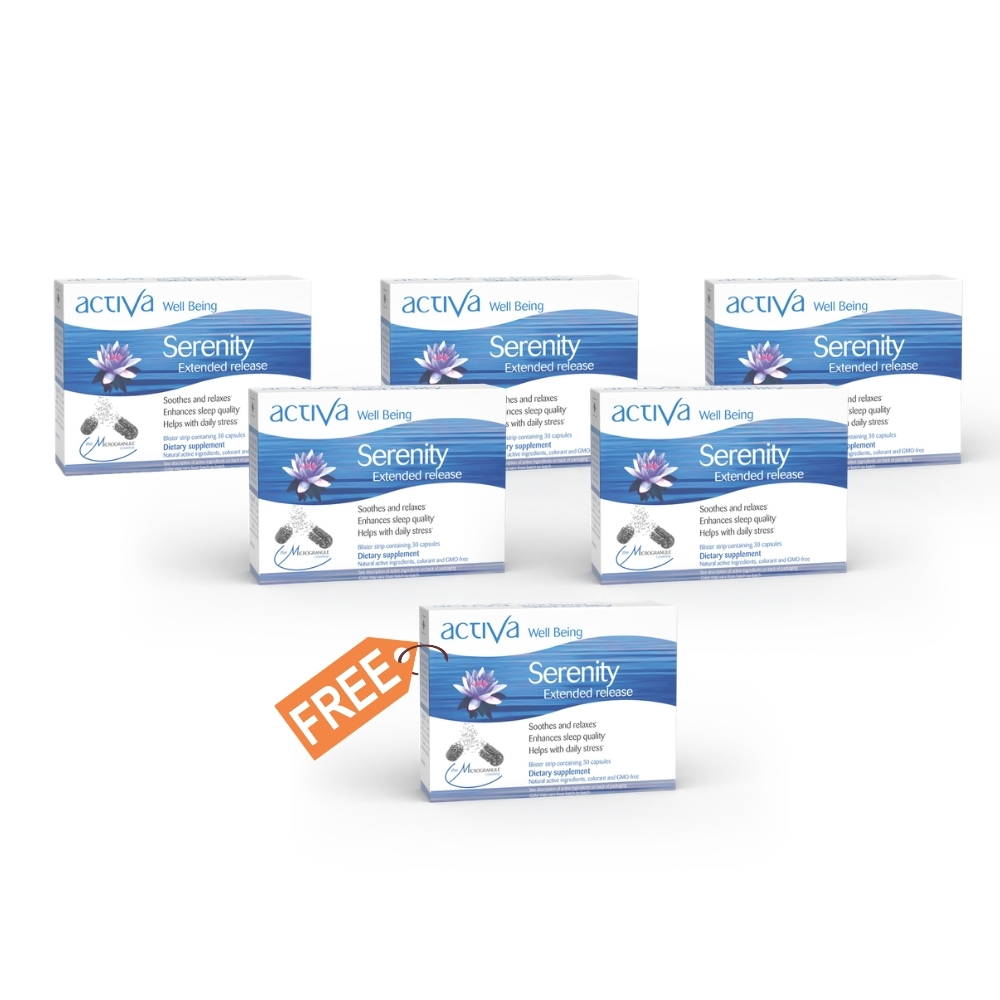
Well Being Serenity - Pack of 5 + 1 Free
Original price was: $243.00.$202.50Current price is: $202.50. -
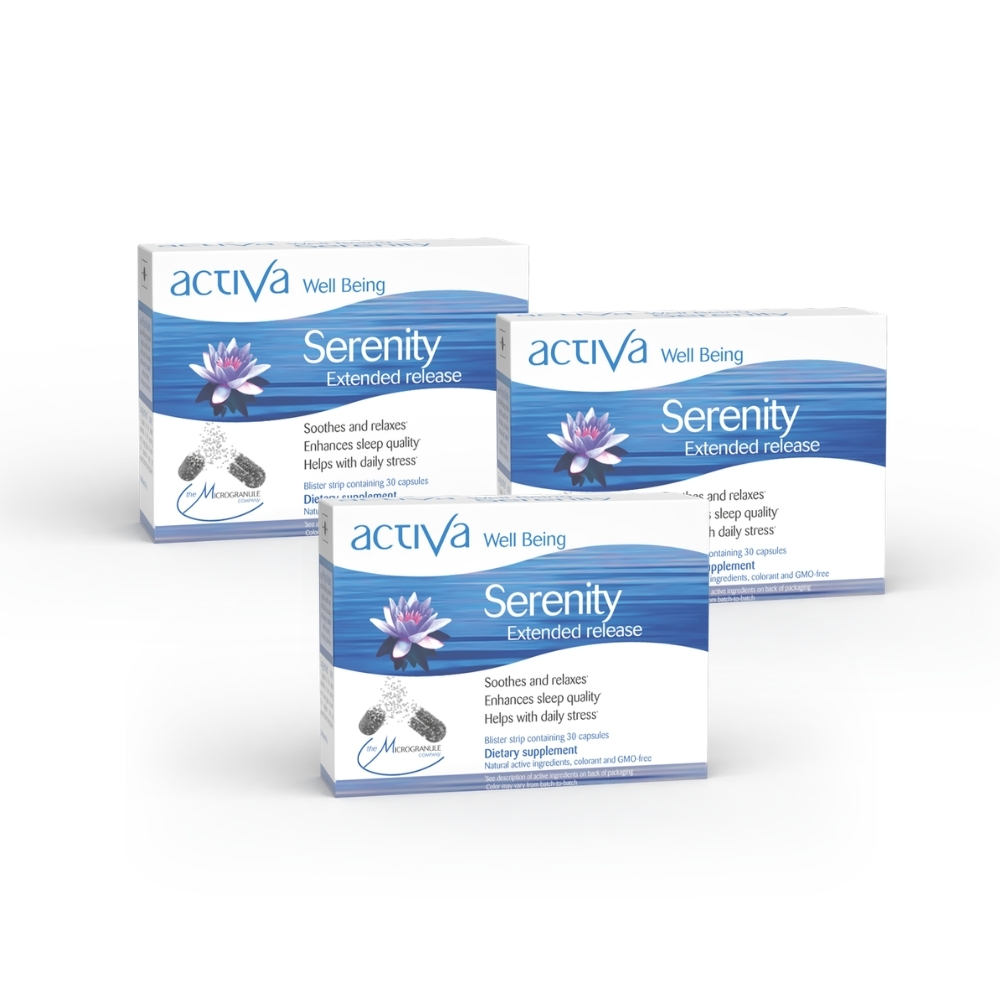
Well Being Serenity - Pack of 3
Original price was: $121.50.$106.90Current price is: $106.90. -
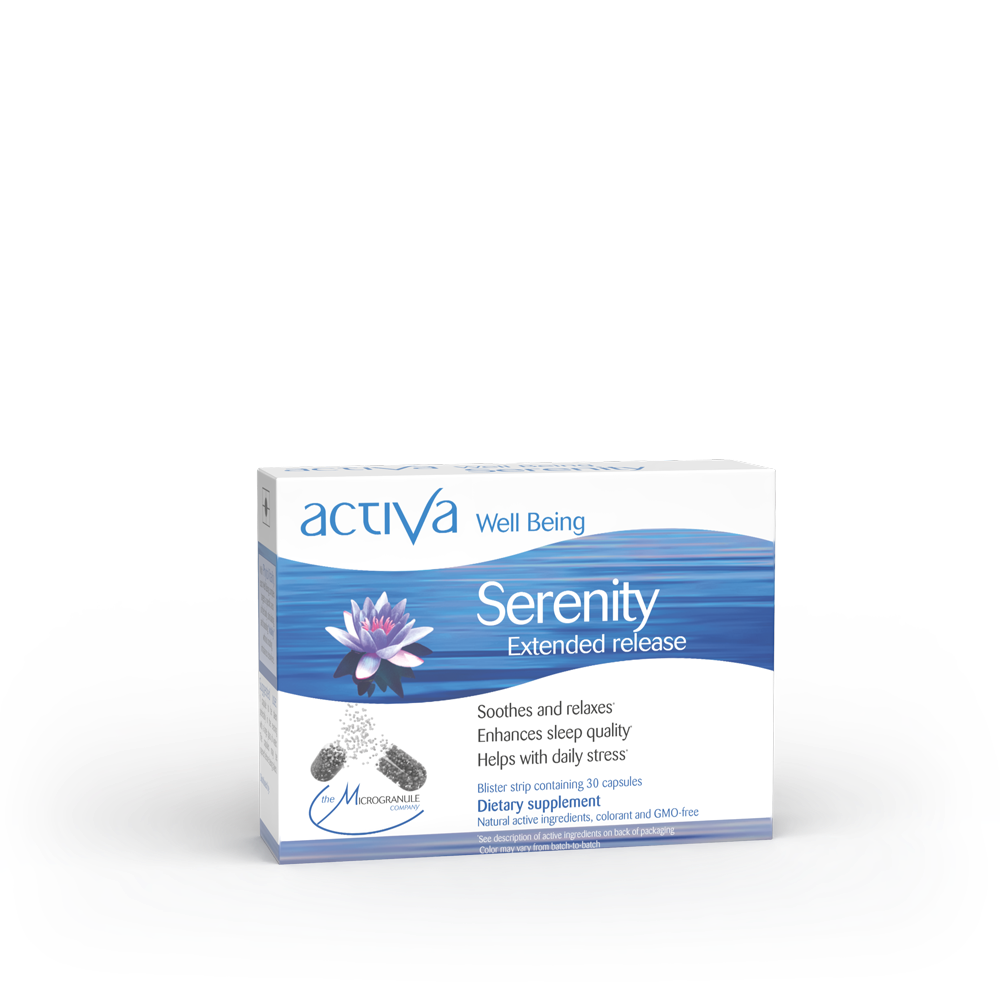
Well Being Serenity
$40.50 -
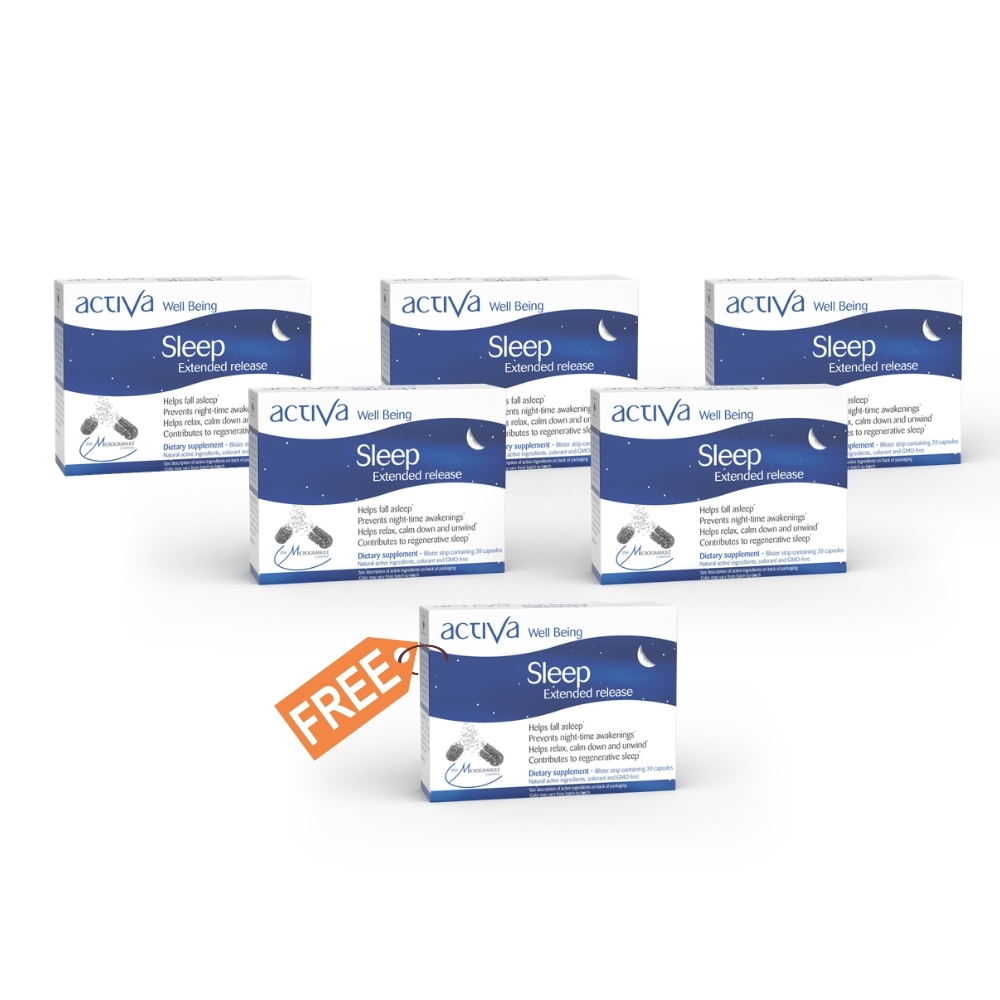
Well Being Sleep - Pack of 5 + 1 Free
Original price was: $243.00.$202.50Current price is: $202.50. -
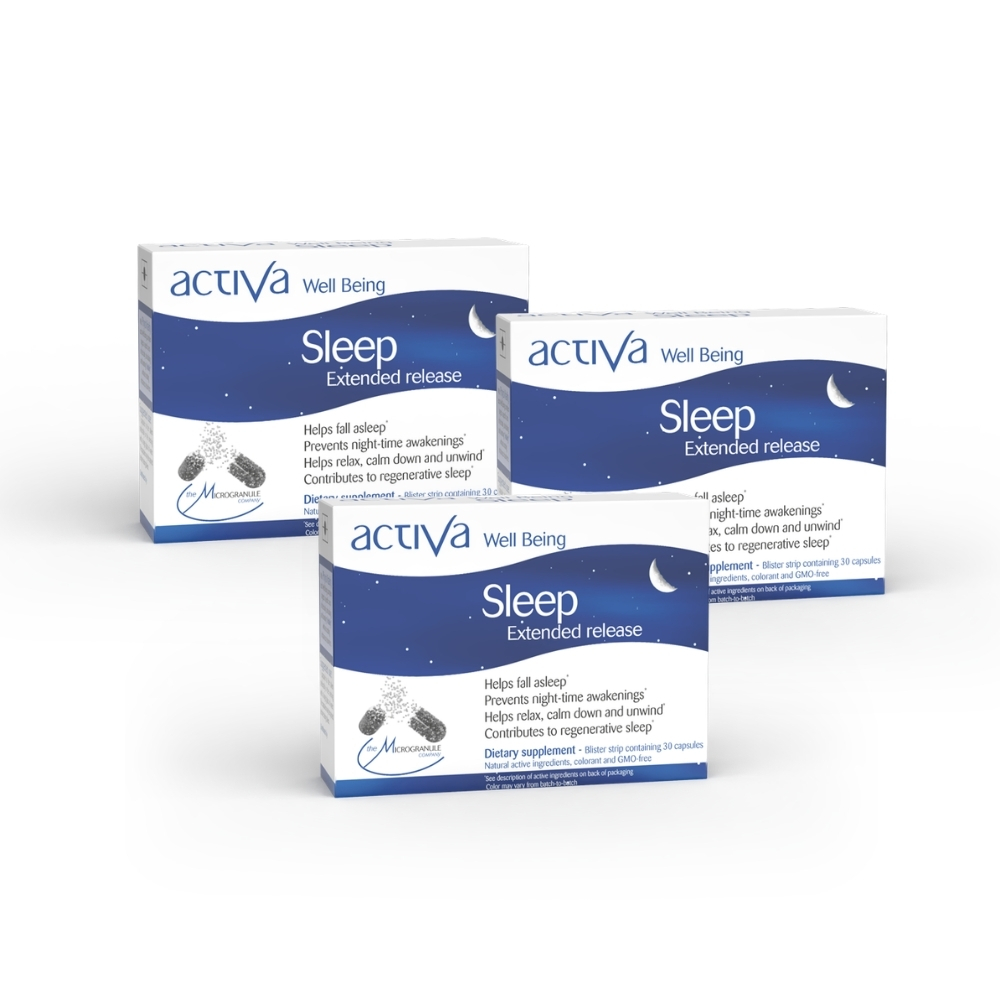
Well Being Sleep - Pack of 3
Original price was: $121.50.$106.90Current price is: $106.90. -

Well Being Sleep
$40.50 -
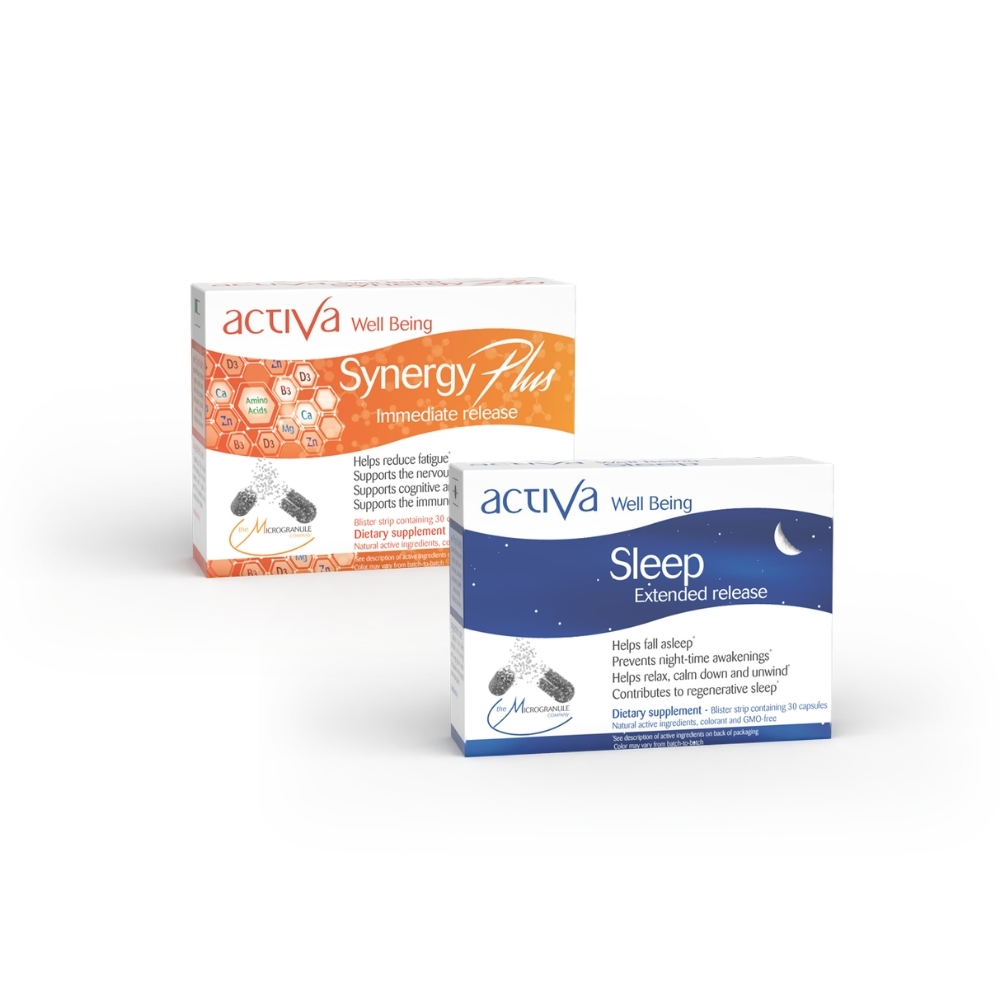
Day and Night Balance
Original price was: $83.00.$72.00Current price is: $72.00.
Images Source: Canva